Sanitation & Hygiene Fund
Accelerating Access to Improved Sanitation and Hygiene Services using Market-Based Approaches in Uganda
6.3M USD
investment from UN SHF grant
42 months
April 2023 - September 2026
7
Districts
5
Urban areas
~2.4M
People reached
13.1M USD
Household investments in basic sanitation
The United Nations Sanitation and Hygiene Fund (SHF) provided $6.3 million USD in catalytic financing and technical assistance for the "Accelerating Access to Improved Sanitation and Hygiene Services using Market-Based Approaches in Uganda" Project from April 2023 to 30 September 2026. Water For People Uganda implemented the Project with the Ministry of Health as Government lead, providing policy direction, oversight, coordination, and stewardship.
Partners included the Ministry of Water and Environment, Ministry of Education and Sports, IRC, Uganda Water and Sanitation NGO Network (UWASNET), Kampala Capital City Authority (KCCA), Finnish Mondial, and participating District Local Governments.
Project Results
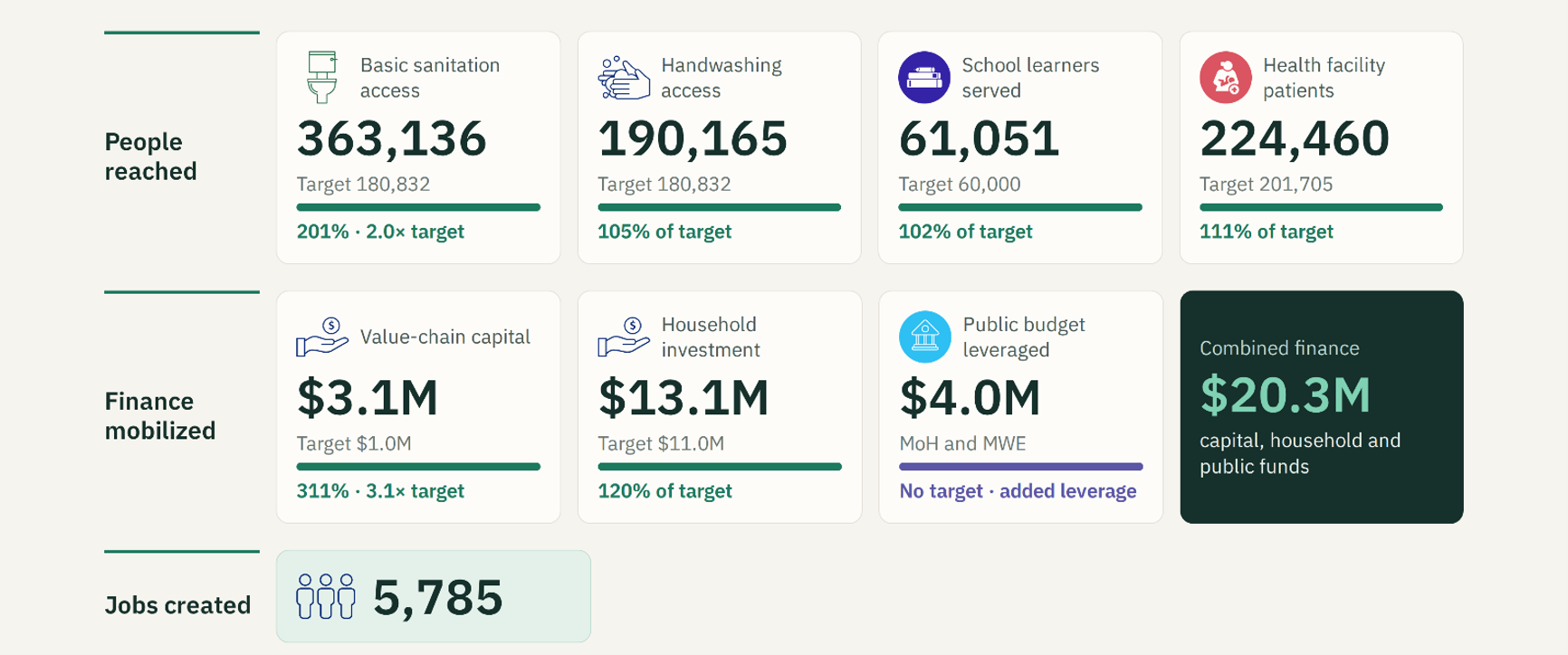
Every $1 USD of the SHF grant was matched by over $3 USD in capital, household, and public funds mobilised for sanitation.
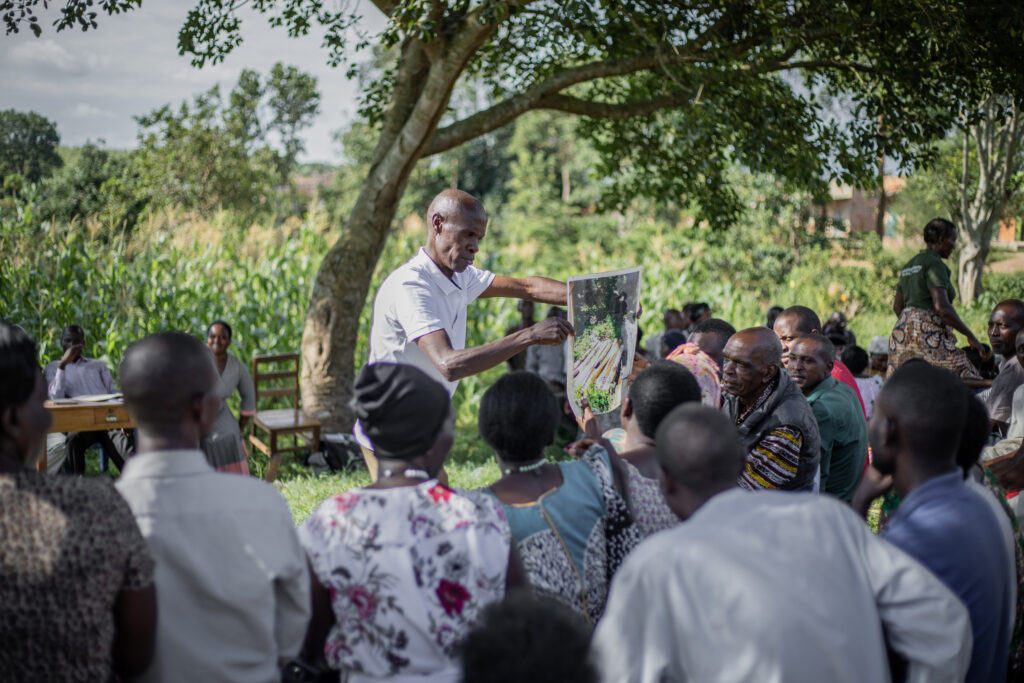
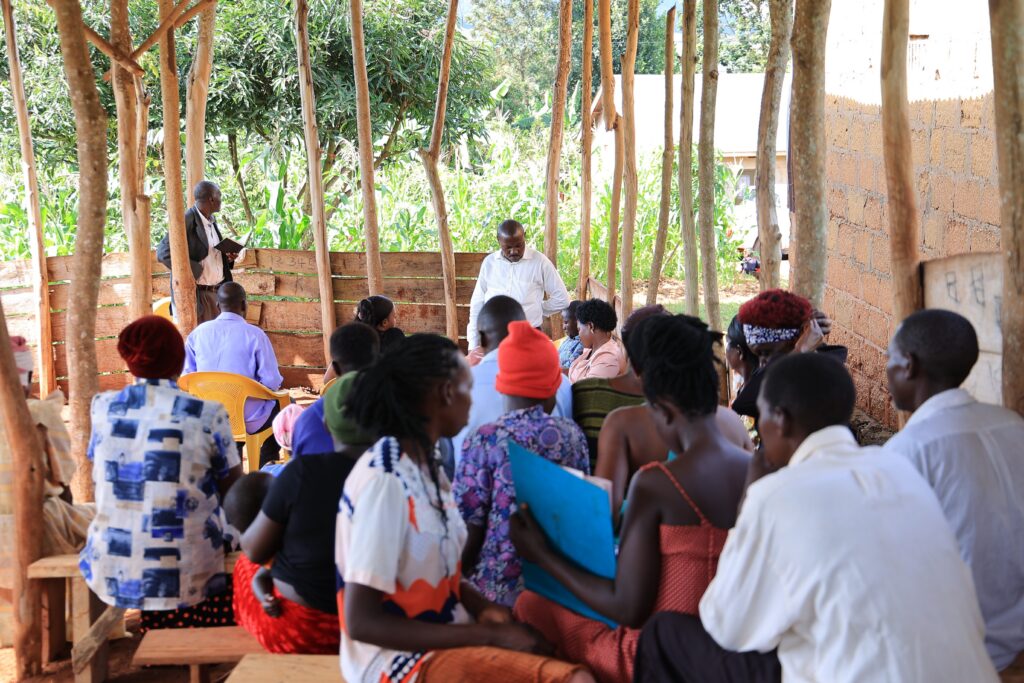
The Project reached approximately 2.4 million people in seven districts: Buikwe, Kabarole, Kamuli, Kayunga, Luuka, Buyende, and Kole, and five urban areas: Fort Portal City, Kamuli Municipality, Kayunga Town Council, Kampala Capital City, and Kole Town Council.
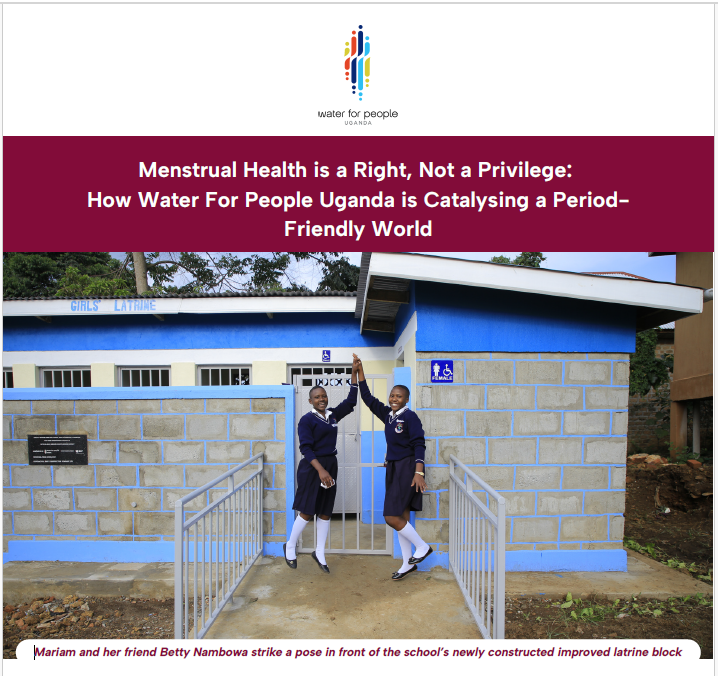
It focused on household sanitation and hygiene, sustainable WASH and menstrual health and hygiene services in schools and healthcare facilities, and innovation for safely managed sanitation and hygiene.
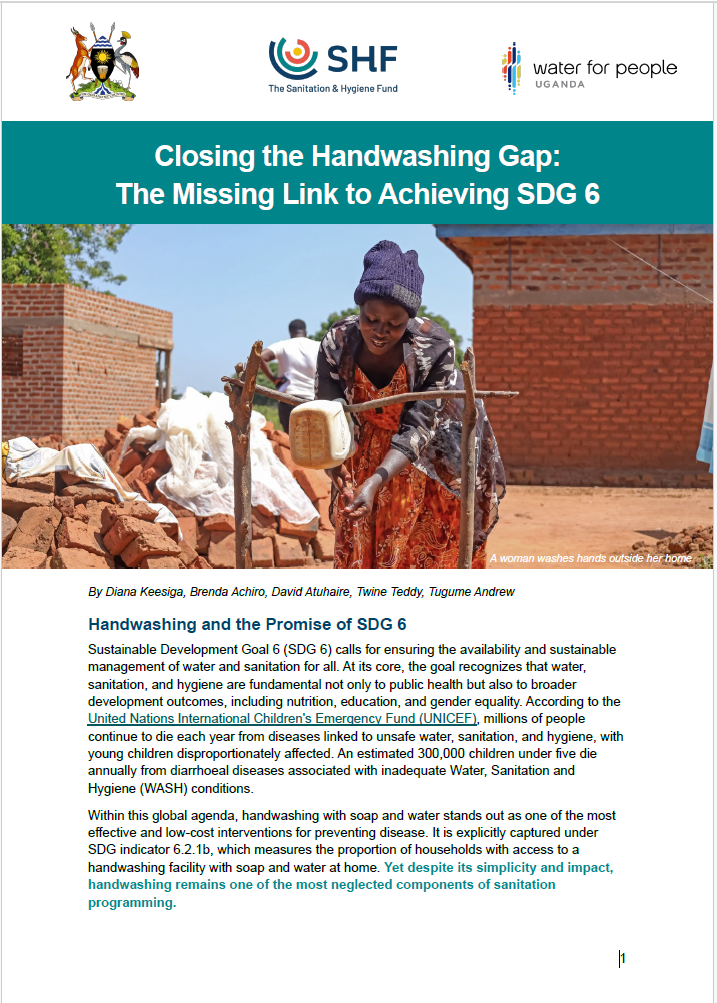
Project Learnings and Resources
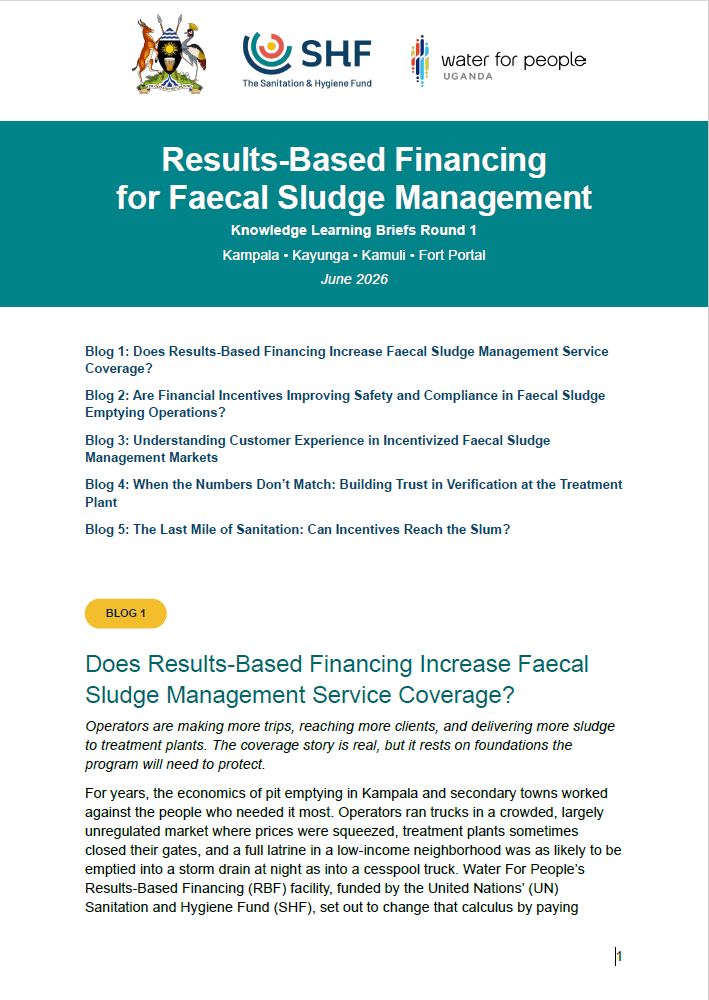
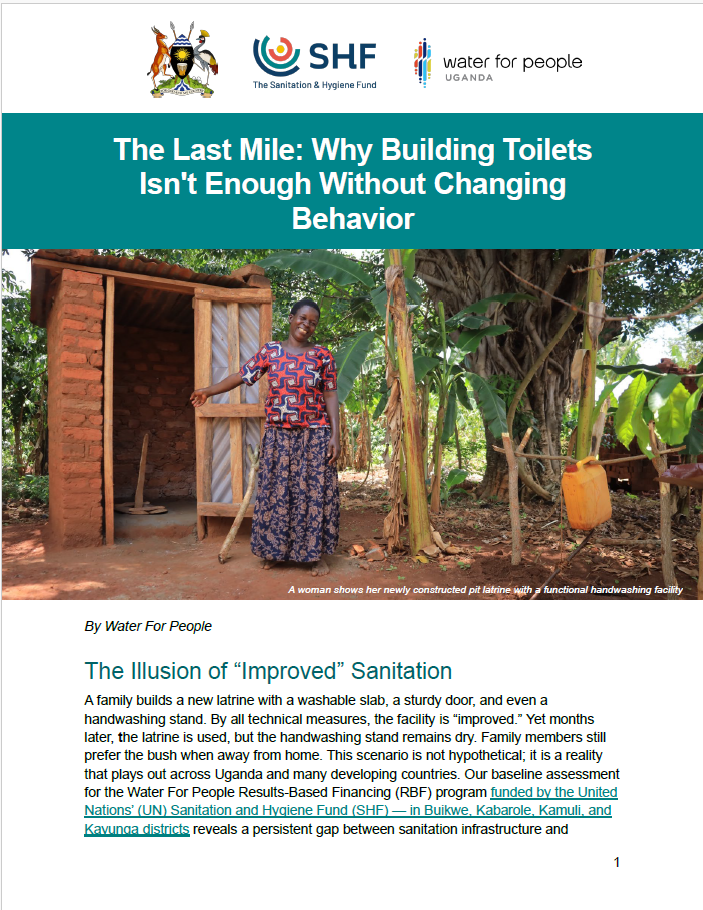
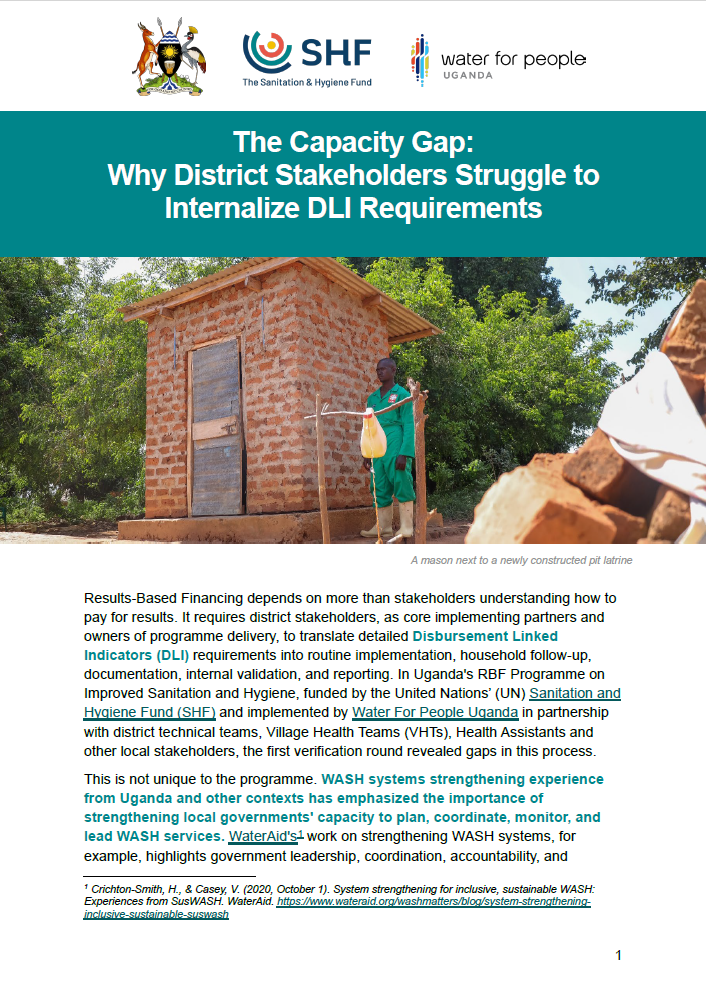
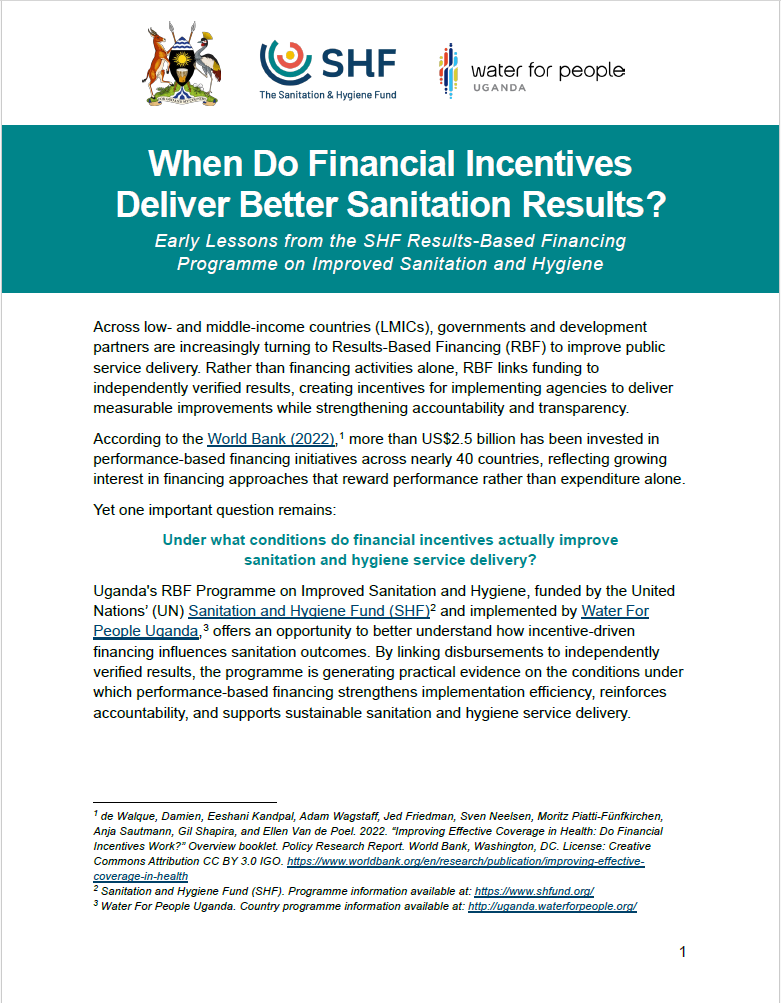
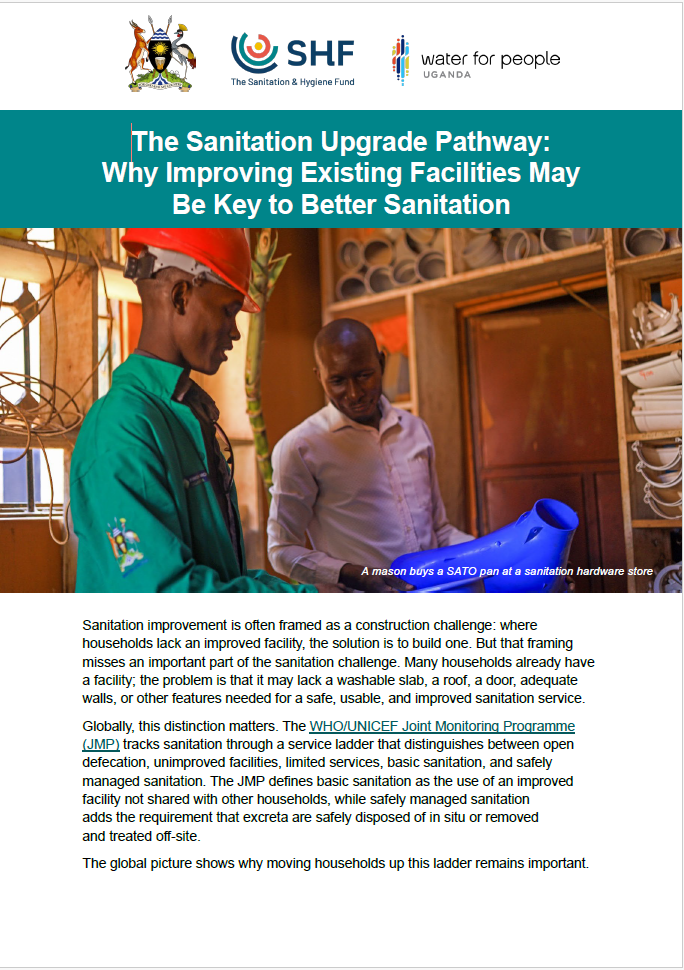
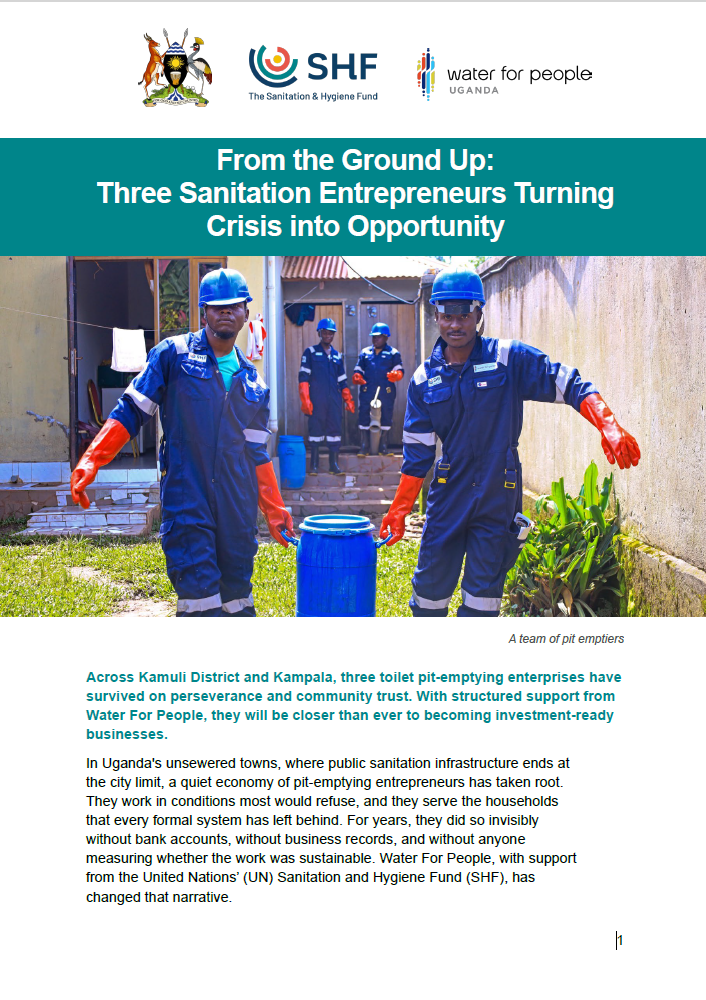
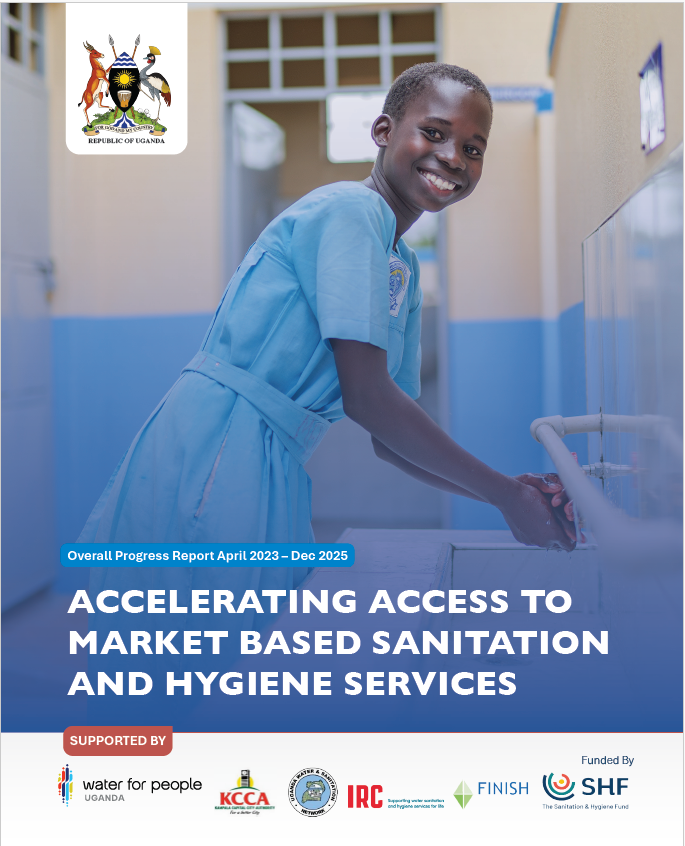
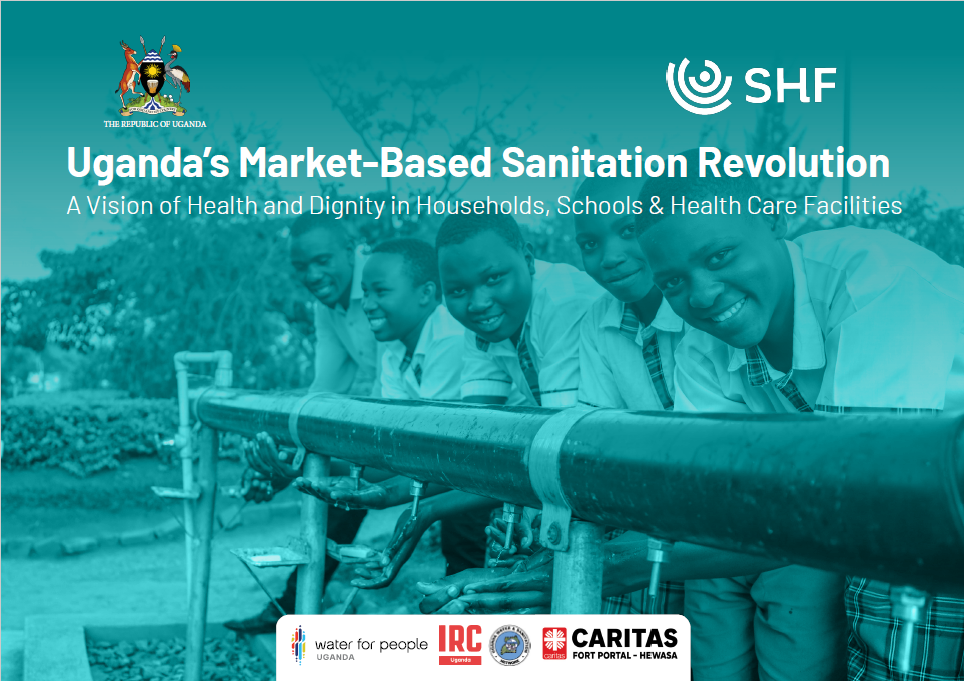
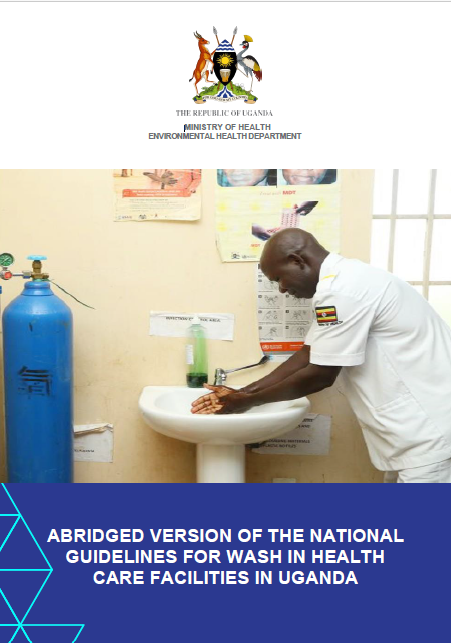
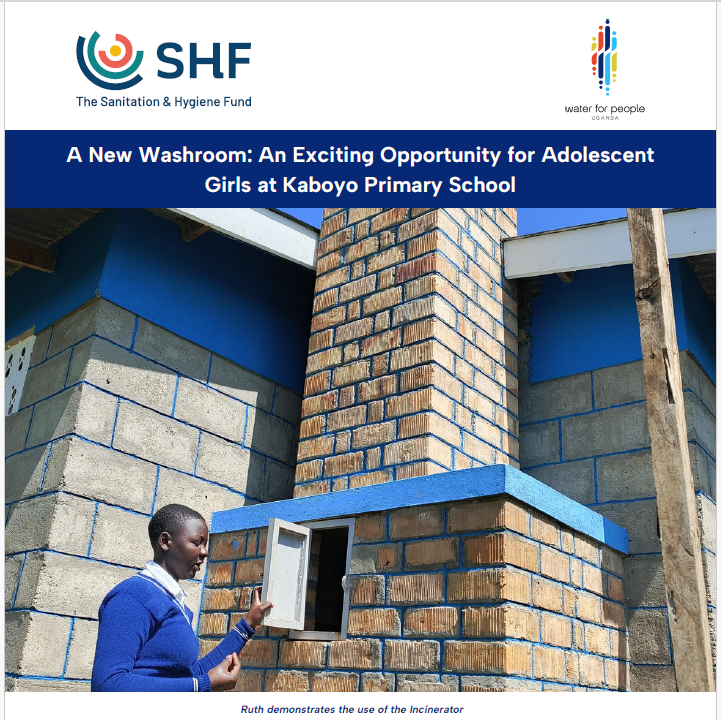
Sustainable Sanitation and Hygiene in Schools and Healthcare Facilities
Climate-Resilient Sanitation Solutions
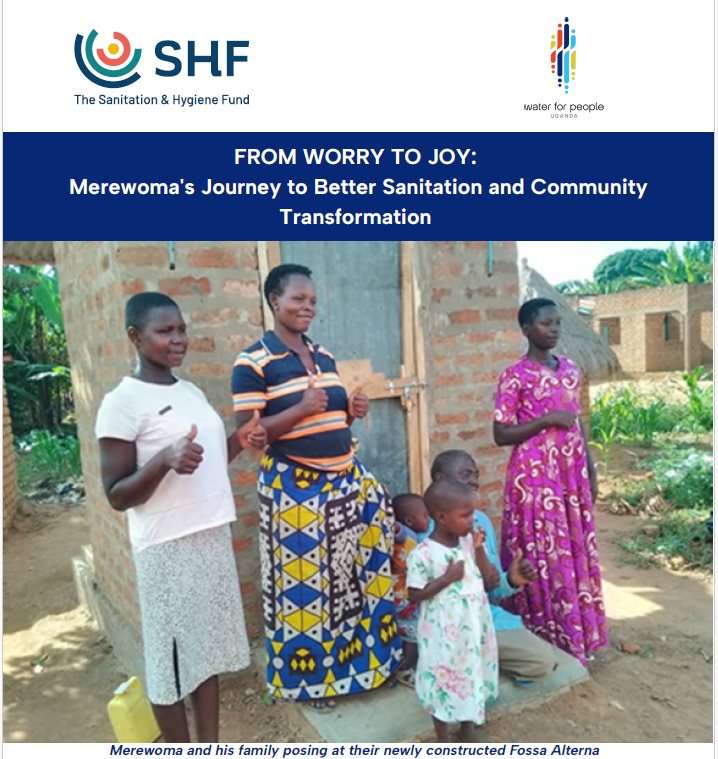
Scaling Up Household Sanitation and Hygiene Services in Households
Accelerating Access to Improved Sanitation and Hygiene Services in Uganda
Strengthening Private Enterprises for Sanitation
Innovation Advancing Safely Managed Sanitation, Hygiene, and Menstrual Health & Hygiene
Key Achievements
Results-Based Financing tied to independently verified household outcomes moved basic sanitation faster than national trends, a model ready for district and national adoption.
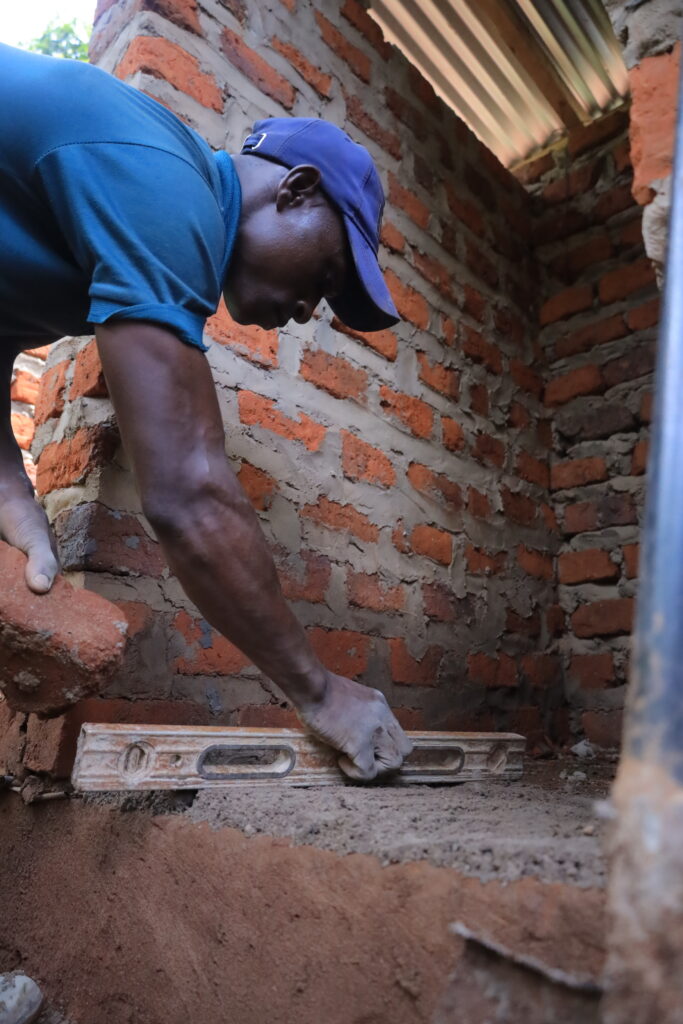
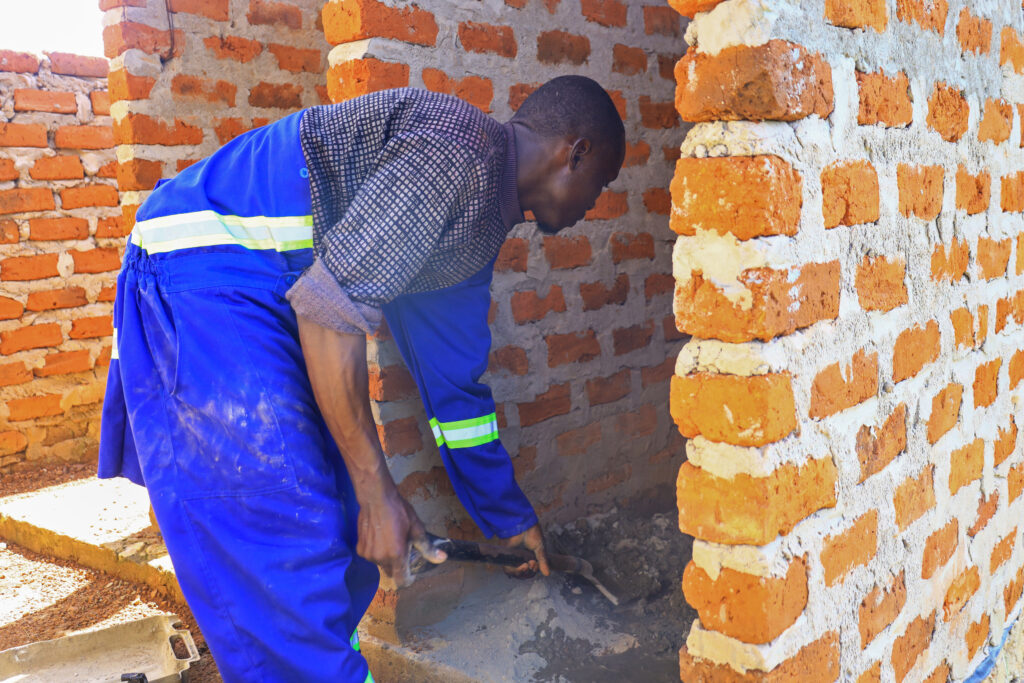
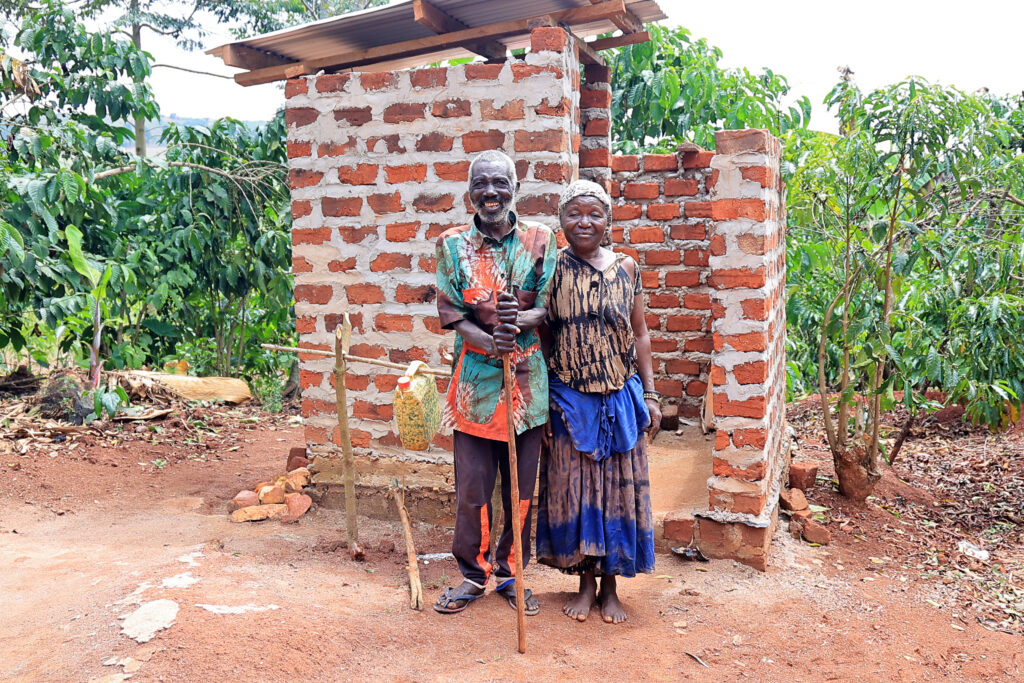
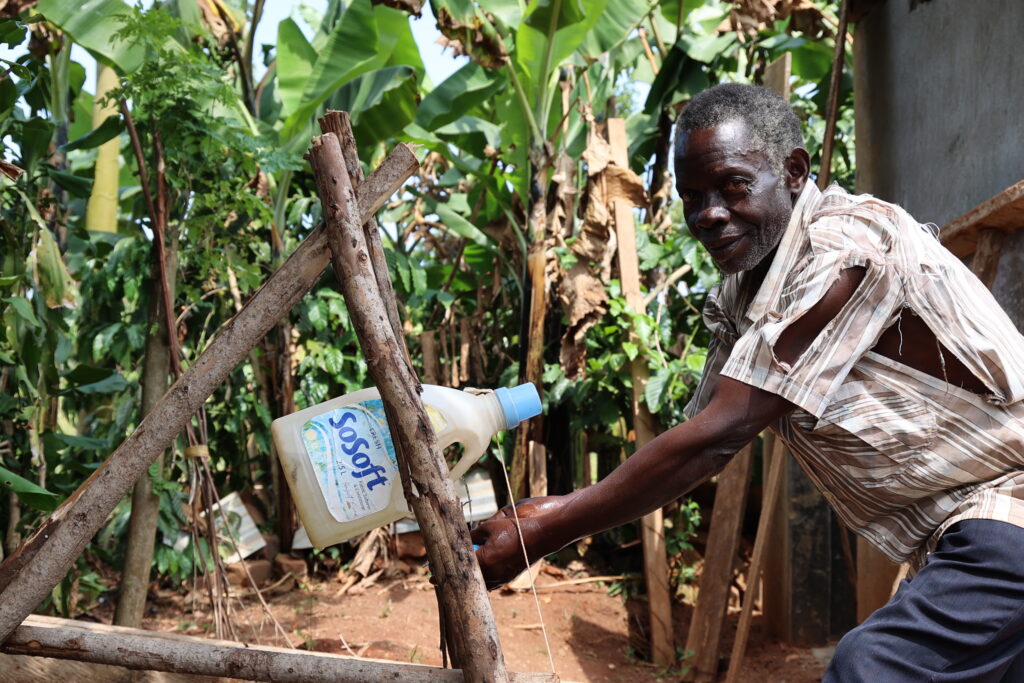
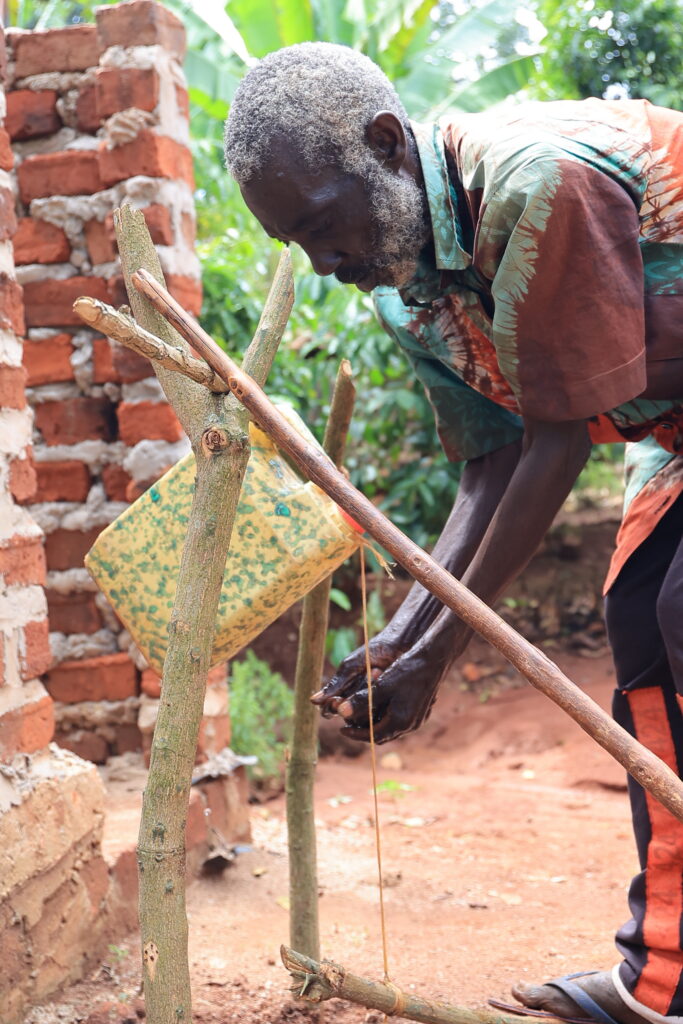
A total of 1,994 basic sanitation facilities with functional handwashing through two Disbursement Linked Indicators: new construction and upgrading of existing facilities.
Independent verification: baseline in 63 villages across 4 districts of Buikwe, Kayunga, Kamuli, and Kabarole.
Faster progress: in Buikwe, basic sanitation access rose from 18.6% (2023) to 27% (2026); +8.4 points in 3 years, against a 3.03-point national rural gain over 9 years.
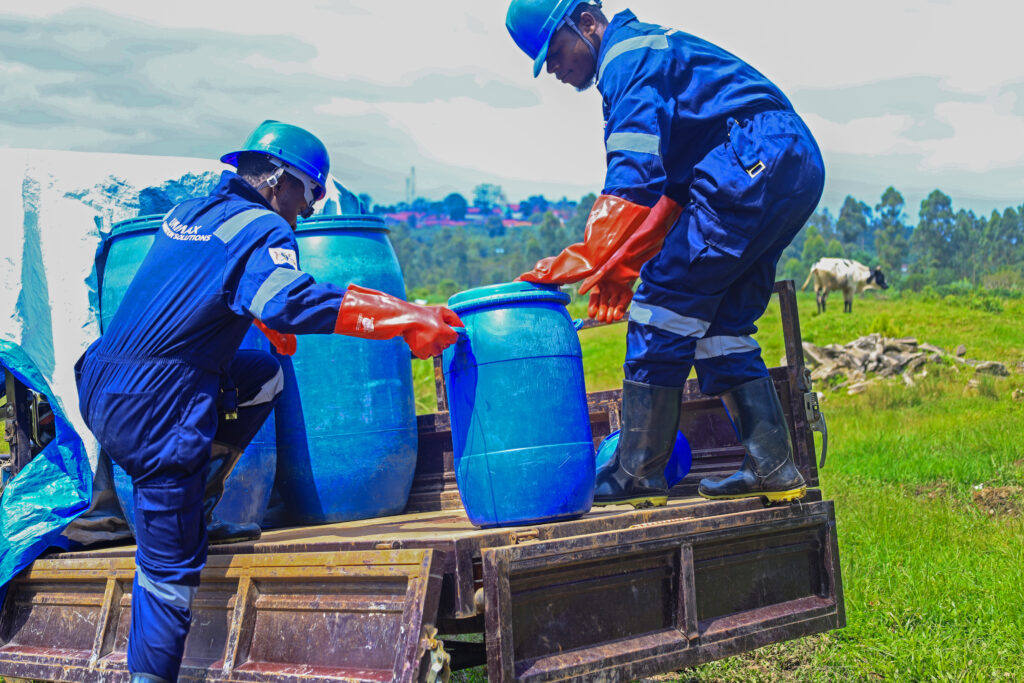
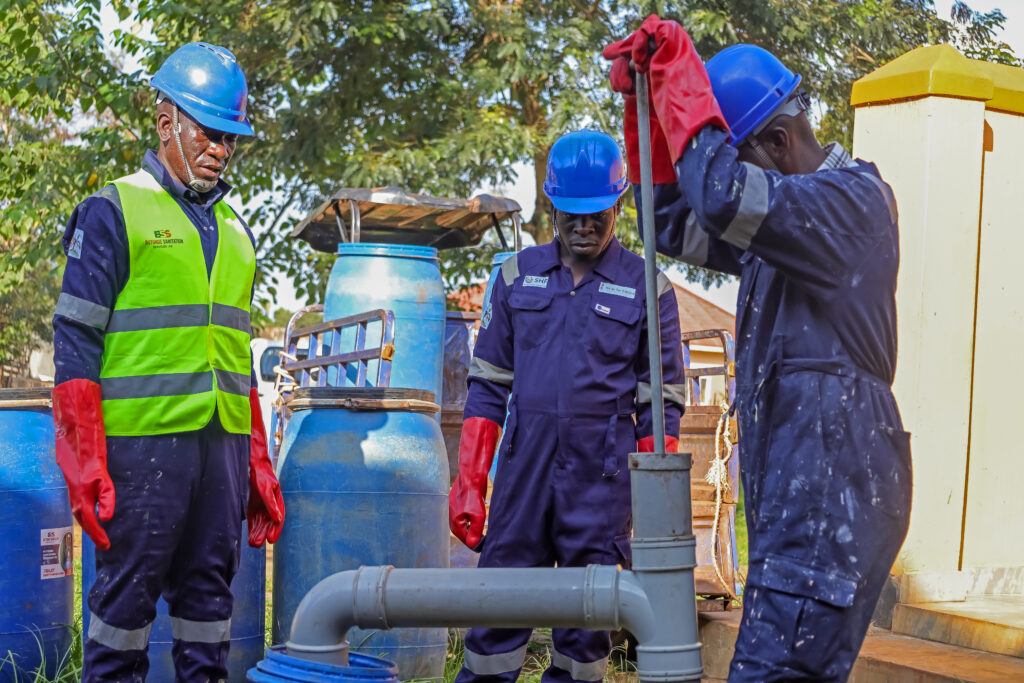
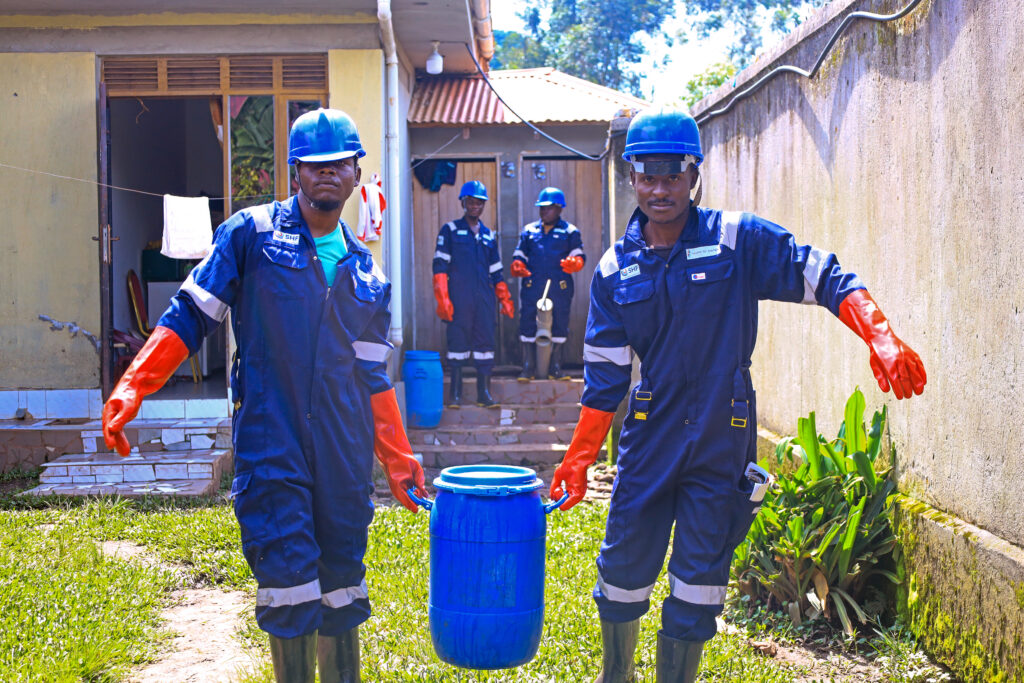
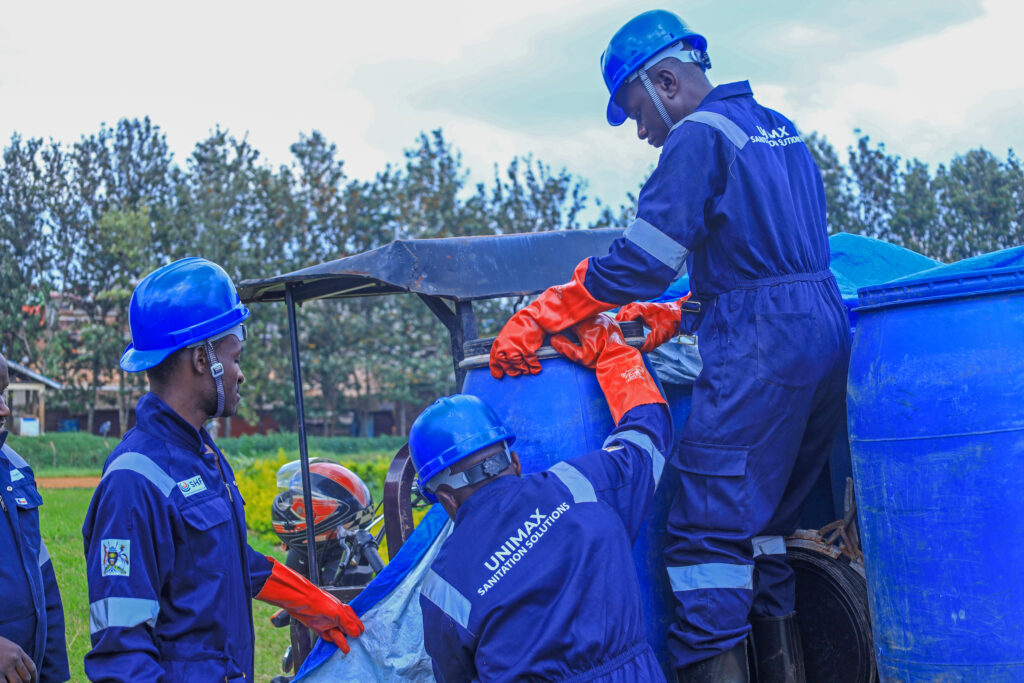
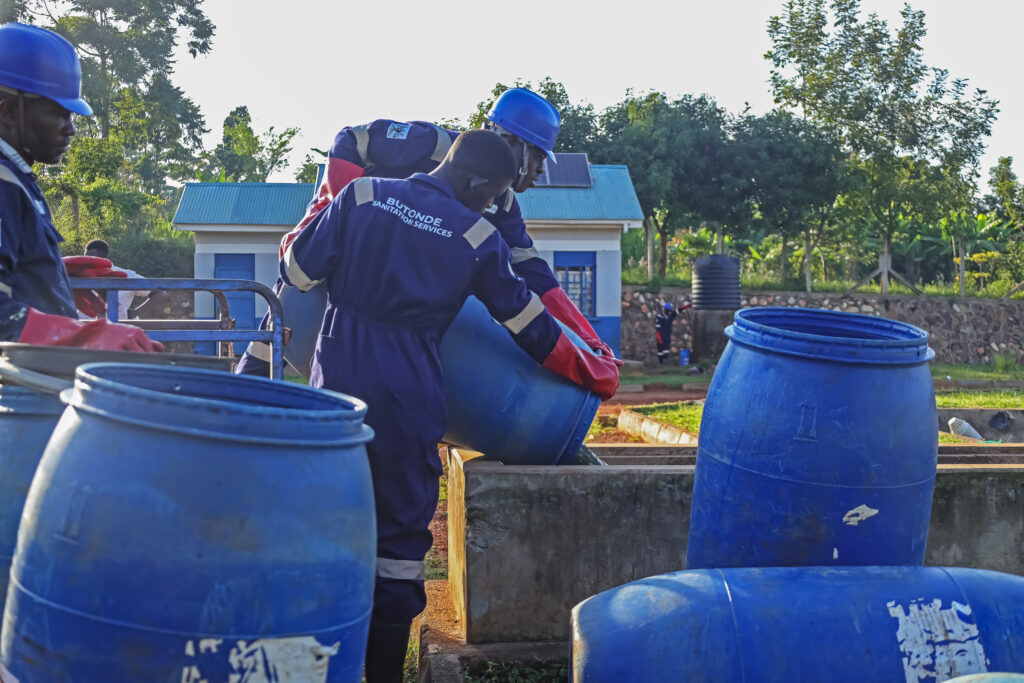
Service Level Agreements: 647,480 cumulative faecal sludge volume collected by incentivised enterprises; 495 jobs; $3 million paid by customers for services; $169,200 in performance-based incentives.
Service platforms: Mid-Western Umbrella call centre operationalised across 16 districts; Northern Umbrella call centre and WASH service platform installed, reaching 29 districts.
Infrastructure and strategy: Kamuli FSTP upgraded (safe gulper inlet, 10 m³ raised water storage tank, solar lighting); safely managed sanitation strategy for Central Uganda with 3 investment cases, developed with MWE.
Enterprise growth: 14 enterprises received business development support; 3 reached investment readiness and were profiled at the Majiprenuership Summit 2026.
ESG-WASH curriculum: Developed and validated with the Ministry of Water and Environment (Water Resources Institute), Water For People, Uganda Bankers Association (UBA), Uganda Institute of Banking and Financial Services (UIBFS), Water.org, Uganda Water and Sanitation NGO Network (UWASNET), and IRC, with delivery options including physical masterclasses, an 8-hour self-paced course, and 1.5-hour modules on an e-learning platform.
Financial sector engagement: UBA-led awareness on WASH business models and review of credit policies to strengthen assessment of sanitation credit risk.
Capital mobilised: $3.1M value-chain capital, $13.1M household investment, and $4.0M public budget leveraged from the Ministry of Health and the Ministry of Water and Environment.
National Sanitation and Hygiene Policy: approved by MoH Top Management; awaiting Cabinet approval.
National Environmental Health Strategy: finalised for Senior Management approval.
Evidence for investment: Cost of Inaction study completed, with policy briefs profiling the sanitation investment case.
Standards and tools: standardised climate-resilient WASH designs for healthcare facilities; review of Public Health (Sanitation) regulations; climate change & health mainstreaming guidelines; digitised KPIs for Environmental Health Workers piloted.
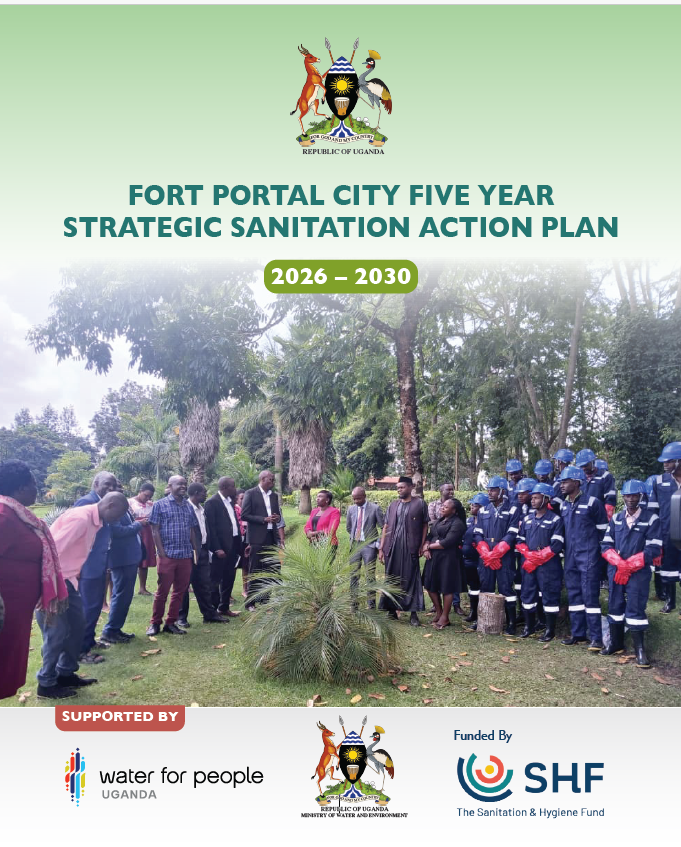
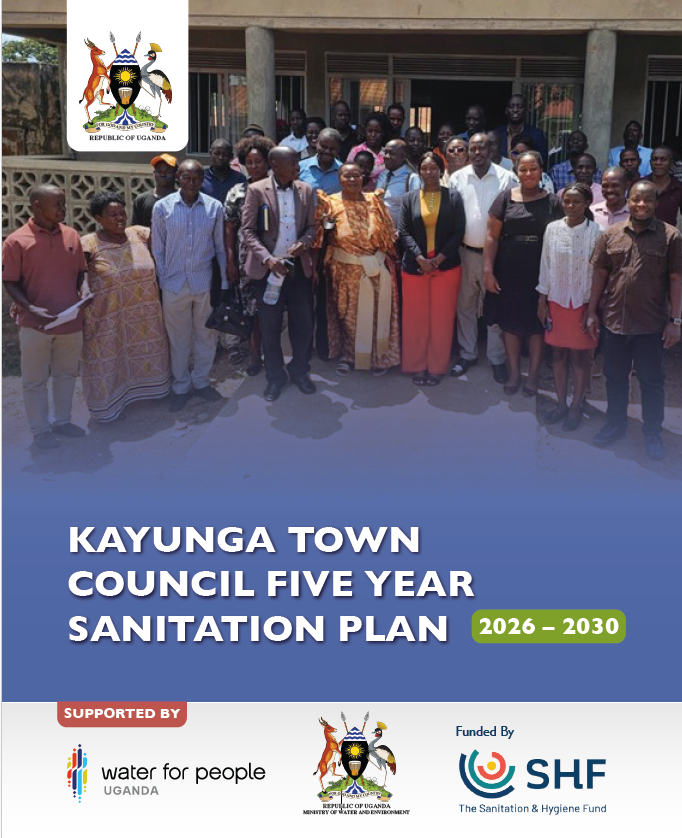
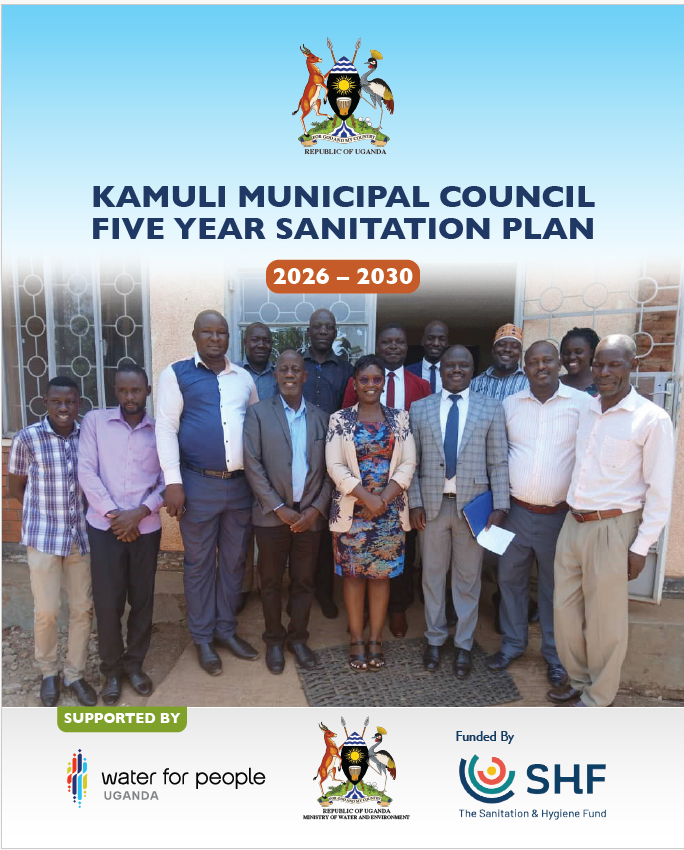
Local governance: 3 town sanitation plans and 3 sanitation ordinances adopted; WASH Pact 90% complete.
Lessons, Sustainability & Way Forward
Lessons for scale-up
Pay for verified results: Results-Based Financing tied to independently verified household outcomes moved basic sanitation faster than national trends; a model ready for district and national adoption.
Let markets carry delivery: households invested $13.1M of their own funds, and customers paid $3M for FSM services; demand, not subsidy, sustains access.
Small incentives unlock private operators: $169,200 in performance incentives drove a cumulative 647,480 in faecal sludge volumes collected and created 495 jobs.
Bring banks in early: working through the Uganda Bankers Association builds lender confidence to finance sanitation enterprises and households.
Sustainability and completion (September 2026)
Government ownership: policies, strategies, ordinances, and digitized KPIs anchor sanitation in MoH, MWE, and district systems beyond the grant.
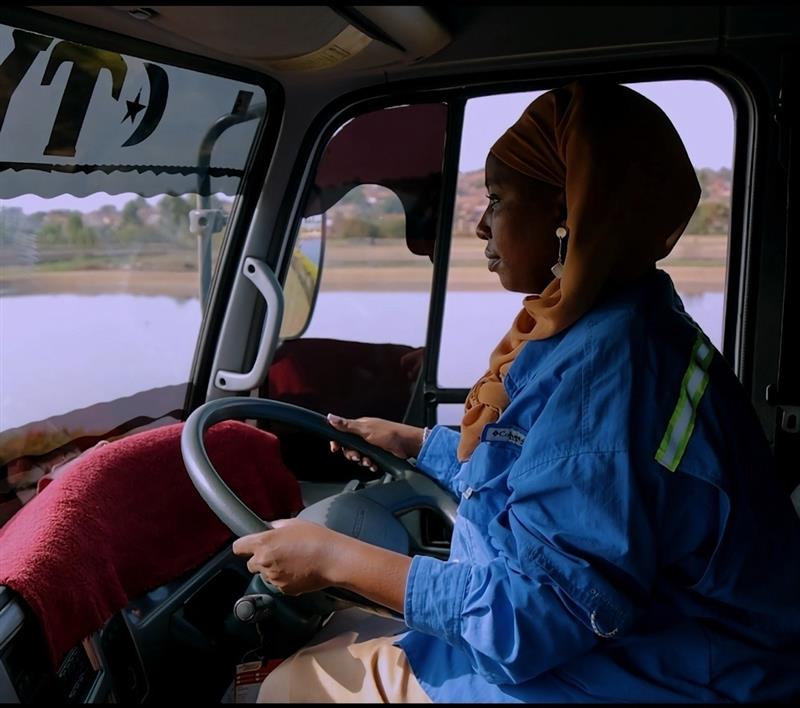
Impact Photo Gallery